
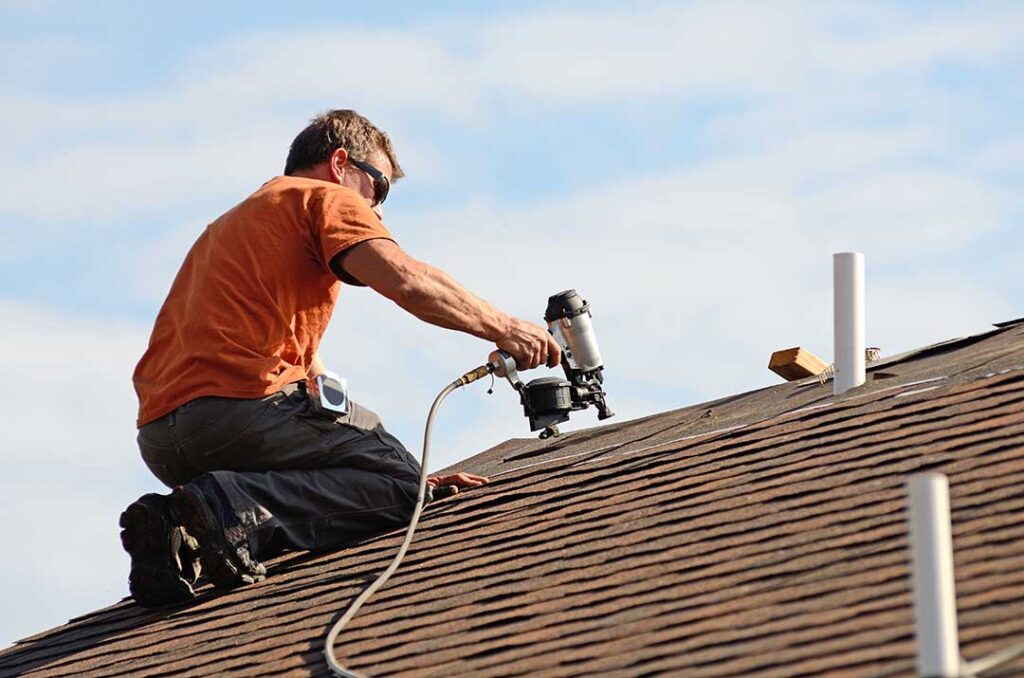
What Is Roof Underlayment and Why Does It Matter?
Roof underlayment is a protective layer installed between the roof deck (the wood sheathing) and the shingles or other exterior roofing materials. In Altamont, NY, where seasonal weather can bring snow, rain, and fluctuating temperatures, this layer serves as a crucial barrier against moisture and wind-driven rain. Underlayment acts as a backup defense if shingles are damaged or blown off.
Many local homeowners don’t realize that underlayment isn’t visible once the roof is complete, but its role is fundamental in prolonging the lifespan of any roofing system and preventing water intrusion into the home.
What Types of Roof Underlayment Are Common in Altamont?
There are three main types of roof underlayment:
- Asphalt-Saturated Felt: Sometimes called “felt paper” or “tar paper,” this traditional type is made from organic or fiberglass materials soaked in asphalt. While still used, it’s heavier and more prone to tearing compared to newer options.
- Synthetic Underlayment: Made from polypropylene or polyethylene, synthetic underlayments are lighter, stronger, and less likely to absorb water. Many newer homes and reroofing projects in the area opt for these due to improved tear resistance, especially in windy conditions or during installation.
- Rubberized Asphalt Membrane: This self-adhering product is waterproof and more flexible, often used in flashing areas and valleys, or anywhere particularly prone to leaks, like roof edges and around chimneys.
In the context of Altamont’s weather, with freezing and thawing cycles and occasional ice dams in winter, synthetic and rubberized asphalt underlayments often provide greater peace of mind than older felt products.
How Does Underlayment Protect Homes During Wet and Snowy Seasons?
Underlayment provides a second line of defense against water infiltration. When snow sits on rooftops during the winter, melting can cause water to work its way under shingles, especially if ice dams form at the roof’s edge. The underlayment stops this water from seeping into the wood deck below, where it could cause rot or mold.
During the rainy seasons, wind-driven rain can also sneak beneath shingles, particularly if they are damaged, installed over irregular decking, or after a severe storm. Underlayment essentially gives area homes an added barrier, buying time to address exterior damage before leaks start affecting ceilings, insulation, or belongings.
What Misconceptions Do Residents Have About Roof Underlayment?
A common misconception is that underlayment is optional or only needed with certain roofing materials. In reality, building codes in many regions, including in Albany County, require some form of underlayment for all residential steep-slope roofing systems. Shingles alone are not designed to be completely waterproof in prolonged wet or icy conditions.
Another misunderstanding is believing all underlayments are interchangeable. In truth, the climate, pitch of your roof, and type of roofing material all influence which underlayment will best protect your home. What works for a mild coastal climate may not hold up for Altamont’s freeze-thaw cycles.
Are There Local Building Codes or Best Practices for Underlayment?
Yes, local codes and best practices support roof longevity and safety. Altamont follows New York State building codes, which generally require underlayment on all residential roofs. For asphalt shingles, synthetic or felt underlayment must be installed and overlapped according to manufacturer directions.
Key code-related guidelines relevant to homes in the city include:
- Ice and water shield: Required along the eaves, often extending two feet inside the exterior wall, to guard against ice dams.
- Overlap and fastening: Proper laps (usually 2 inches for felts, 4 inches for synthetics) are important so water sheds as intended. Fasteners must be corrosion-resistant, especially given the local humidity and winter conditions.
- Flashing intersections: Underlayment should work in tandem with metal flashings to prevent leaks around chimneys, vents, and valleys.
Homeowners doing their own roof repairs should always verify the latest code requirements for underlayment and installation methods.
What Maintenance or Inspection Tips Are Relevant for Area Homeowners?
Underlayment is not usually accessible for direct inspection after roof installation, but its effectiveness can be inferred by checking for telltale trouble signs:
- Missing or damaged shingles: If recent storms have stripped shingles, assume some underlayment exposure and consider an inspection.
- Interior water spots: Unexplained stains on ceilings or around attic venting may point to compromised underlayment.
- Eave ice dams: Even with an ice and water shield, persistent ice dams or leaks in winter could signal a coverage or installation shortfall.
If repairs are needed, work should pause if rain or snow is forecasted until temporary covering materials or underlayment can be properly installed. In Altamont, small maintenance issues can be magnified by rapid weather changes, so proactive attention is recommended.
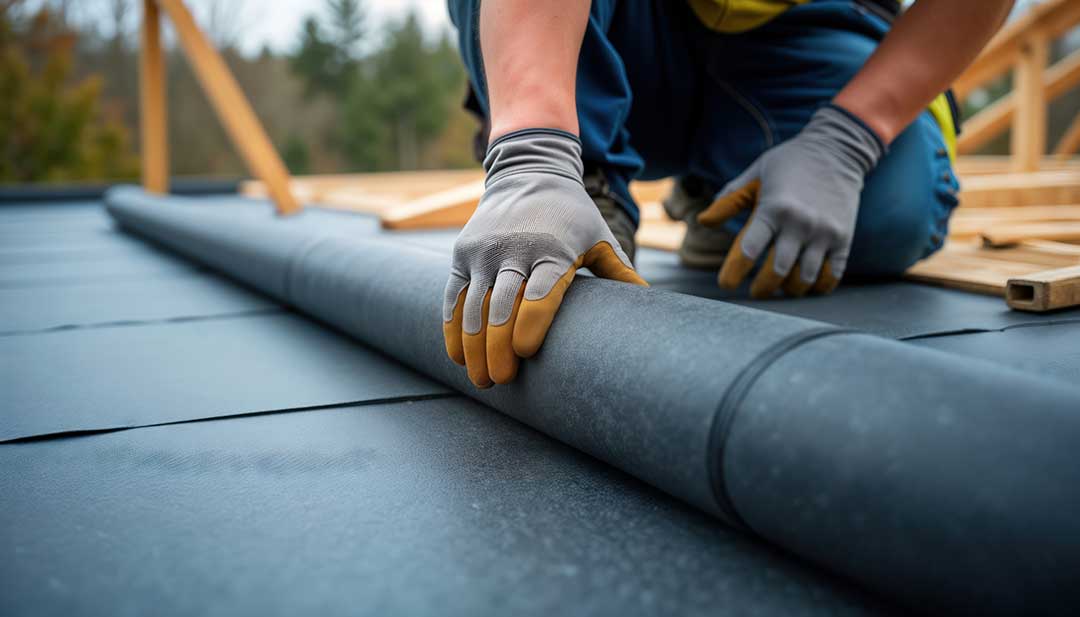
What Problems Can Arise Without Proper Underlayment?
Omitting or poorly installing underlayment can have several consequences specific to local conditions:
- Wood Rot: Water infiltration rots the wooden roof deck, eventually weakening structural integrity.
- Mold and Mildew: Moisture trapped beneath shingles or within attic spaces creates a prime environment for mold—especially where winter condensation meets spring warmth.
- Reduced Roof Lifespan: Lack of underlayment accelerates shingle deterioration, increases freeze-thaw splitting, and can void manufacturer roofing warranties.
- Visible Leaks: Homes without proper underlayment are more susceptible to visible leaks during heavy rainfall, rapid snowmelt, or after storms.
The additional investment in quality underlayment is minor compared to the cost of repairs due to water damage.
How Do Local Weather Patterns Influence Underlayment Needs?
Altamont’s weather showcases four distinct seasons, including cold, icy winters and humid, rainy springs. Underlayment in this area must be robust enough to handle:
- Heavy snow loads sitting on roofs for extended periods
- Rapid freeze-thaw cycles that can create expansion and contraction under shingles
- Spring and summer storms with high winds that could lift shingles
- High humidity in warmer months, which can strain underlayment not designed for moisture resistance
Area homes benefit from underlayments specifically rated for ice dam prevention and tested for resilience in low temperatures.
Can Homeowners Replace or Upgrade Underlayment Without Replacing the Entire Roof?
Underlayment is typically only accessible during full roof replacement or major repairs. Attempting to add or upgrade underlayment beneath existing shingles isn’t practical because it would require the removal of the primary roofing materials. However, if only a section of the roof needs repair due to wind or water damage, it’s possible to replace the underlayment in the affected area during the repair process.
Homeowners planning a reroofing project should discuss all available underlayment options with their installer, considering Altamont’s climate and the age of their home.
