
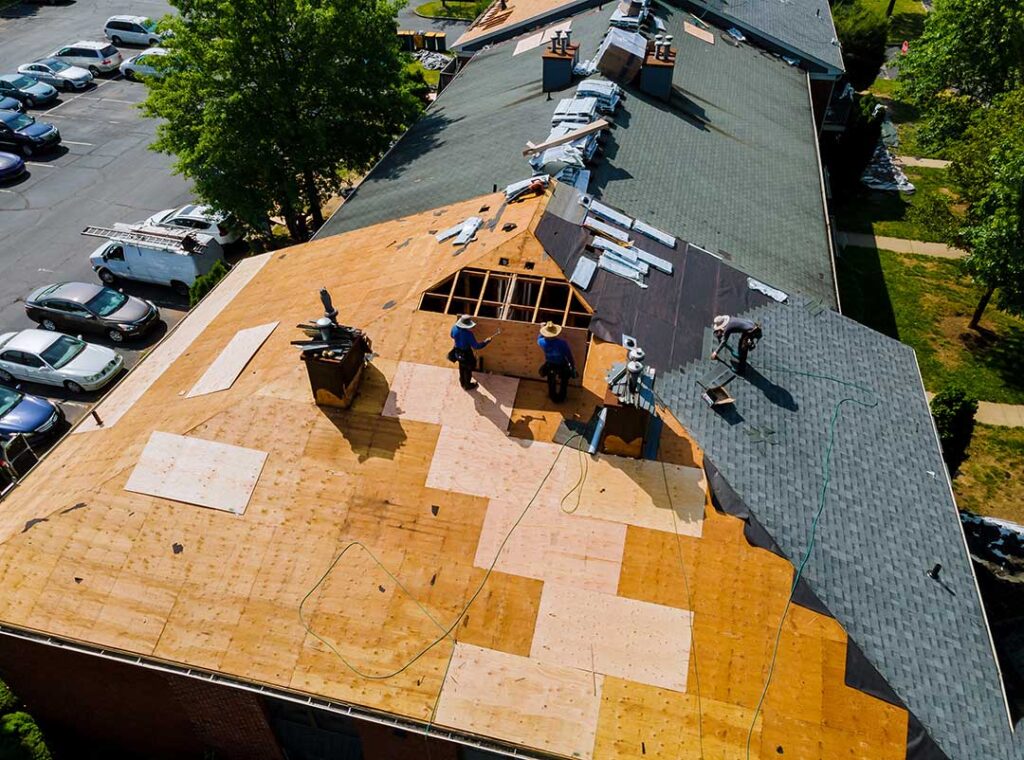
Solar panels can reduce reliance on grid electricity, but the roof supporting them must be evaluated as part of the project. For homeowners in Altamont, NY, the most useful questions involve roof age, snow and wind exposure, structural capacity, shading, drainage, fire access, and future maintenance.
Is the roof ready for solar panels?
A roof should generally have several years of dependable service remaining before panels are installed. Solar equipment can remain in place for decades, while removing and reinstalling it later adds labor, attachment, and weatherproofing concerns.
Before considering panel placement, review:
- The roof’s age and expected remaining life
- Missing, cracked, curled, or loose shingles
- Soft areas, sagging, or visible deck damage
- Previous leaks or stained attic framing
- Worn flashing around chimneys, vents, and roof edges
- Moss, algae, or heavy debris accumulation
- The condition of gutters and roof drainage paths
A roof does not need to be new to support solar panels, but it should be sound. If replacement may be needed soon, completing that work first is often less disruptive than installing panels and later removing them for roof work.
How does the local climate affect a solar roof?
Seasonal weather should be part of the planning process. Roofs in this region experience freeze-thaw cycles, winter snow, ice, wind, summer heat, and periods of heavy rainfall. These conditions affect both the roof covering and the solar mounting system.
Snow itself is not usually a reason to avoid solar panels. Panels are designed to shed snow as they warm and as the roof angle allows snow to slide. However, roof structure, attachment points, and the risk of sliding snow should be considered together.
Potential concerns include:
- Snow sliding above an entryway, walkway, deck, or parked vehicle
- Ice buildup near eaves and valleys
- Wind uplift at roof edges and corners
- Water entering around poorly installed mounting points
- Restricted access for clearing gutters or inspecting flashing
Solar panels may also change how snow and water move across a roof surface. The layout should not block drainage or create areas where debris collects.
Can a roof support the added weight?
Most residential roofs are designed with significant safety margins, and solar panels are not automatically too heavy. Still, the roof structure must be evaluated rather than assumed to be adequate.
The total load includes the panels, rails, attachments, wiring, and any equipment mounted near the roof. The condition of the roof framing also matters. A roof with water damage, altered framing, long-term sagging, or previous construction changes may not perform like a roof in good condition.
Structural questions may include:
- Are the rafters or trusses in good condition?
- Are mounting points aligned with structural framing?
- Has the roof experienced movement, sagging, or moisture damage?
- Could snow accumulation add a significant seasonal load?
- Are any roof sections unsuitable because of their span or condition?
Structural review becomes especially important when panels are planned over an addition, porch, older roof section, or area that has been modified over time.
Where should panels be placed?
The best location is not always the largest uninterrupted roof plane. Solar access, roof condition, slope, shading, maintenance, and snow behavior all affect placement.
A roof plane may receive less useful sunlight because of:
- Nearby trees
- Chimneys, dormers, or taller roof sections
- Seasonal shadows
- Ridge orientation
- Roof valleys or complicated geometry
- Buildings or terrain that block low-angle winter sun
Trees deserve special attention. A tree that casts little shade in summer may create longer shadows in late fall or winter when the sun is lower. Removing or heavily pruning established trees solely for solar access can also change drainage, wind exposure, and neighborhood character, so the tradeoffs should be considered carefully.
Does the roof slope and direction matter?
Yes. Roof slope and compass direction influence how much sunlight panels receive and how easily snow sheds. A roof facing directly toward the strongest available sunlight is not the only workable option; other orientations may still produce useful energy depending on shading and panel design.
Steep roofs can make installation and future maintenance more difficult. Low-slope roofs may require different mounting approaches and careful attention to water drainage. Panels should not be placed where their supports interfere with valleys, gutters, skylights, plumbing vents, or required roof clearances.
A simple roof with broad, unobstructed sections is usually easier to inspect and maintain than a roof with many small planes and penetrations.
How do solar attachments affect leak risk?
The main roof-related concern is not the panel itself but the way the mounting system is attached and sealed. Roof penetrations must be located correctly, fastened securely, and integrated with flashing so water is directed around—not through—the roofing system.
Leak risk can increase when:
- Attachments are placed outside structural framing
- Flashing is damaged or installed incorrectly
- Sealants are treated as the only waterproofing method
- Mounts are crowded near valleys, edges, or roof transitions
- Wiring penetrations are not properly protected
- Existing flashing is disturbed without being restored
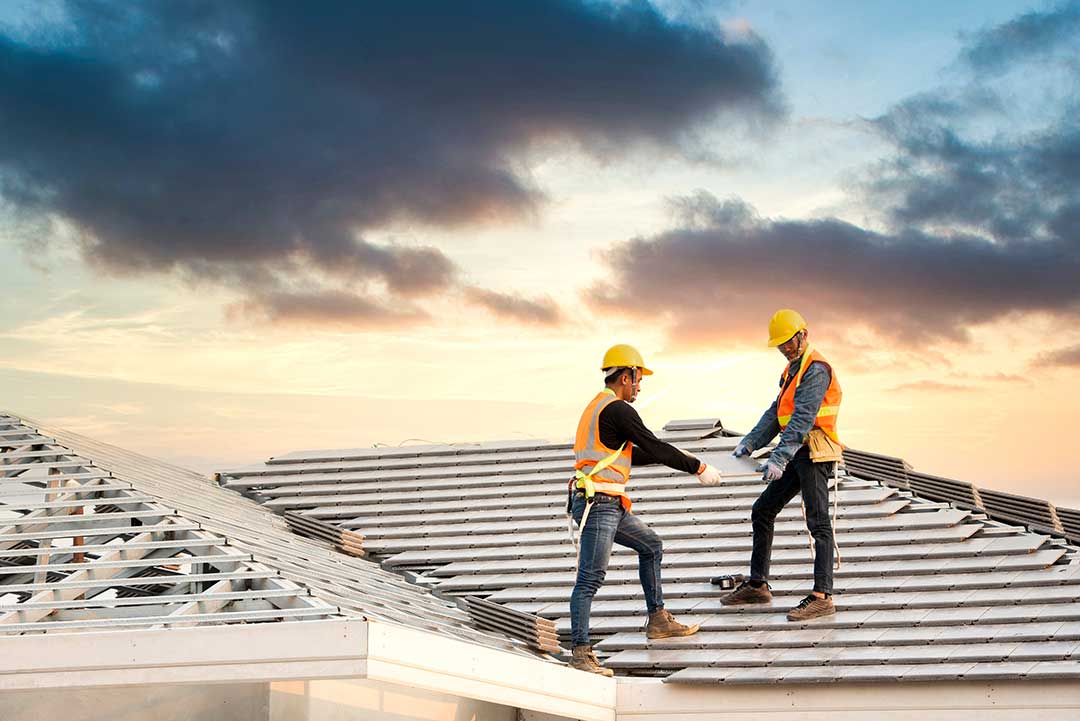
A sealant bead may deteriorate from ultraviolet exposure, temperature changes, and movement. Durable waterproofing depends on the full attachment and flashing design, not just visible caulk.
What should homeowners ask about maintenance?
Solar panels do not eliminate roof maintenance. Gutters still need to remain clear, flashing should still be inspected, and the roof surface should be checked after severe weather. Access may be more limited once panels are installed, so the layout should allow practical inspection of roof edges, drainage areas, and vulnerable transitions.
Maintenance planning should account for:
- Gutter cleaning and downspout flow
- Inspection after major wind or hail events
- Snow and ice movement near doors and walkways
- Animal nesting or debris beneath panels
- Roof repairs around equipment and attachments
- Future replacement of roofing materials
Panels should not be used as a reason to walk unnecessarily on the roof. Foot traffic can damage shingles and flashing, particularly during cold weather when roofing materials are less flexible.
Are permits, electrical rules, and insurance part of the decision?
Solar projects commonly involve building, structural, electrical, and fire-safety requirements. The exact requirements depend on the project and the applicable local and state rules, which can change over time.
Before work begins, homeowners should verify:
- Which permits are required
- Whether structural documentation is needed
- How electrical equipment must be located
- Whether emergency access or roof pathways apply
- Whether the property’s insurance coverage has conditions
- Whether utility interconnection approval is necessary
These requirements are separate from the question of whether the roof is physically suitable. A project can be structurally reasonable but still require changes to meet permitting or fire-safety standards.
What if the roof needs replacement later?
Plan for the full service life of both systems. A roof may need repair or replacement before the panels do, especially if the existing roofing is already near the end of its expected life.
Roof replacement with solar panels in place usually requires additional coordination. Panels and mounting components may need to be removed, stored, and reinstalled. The roof work must also preserve the integrity of attachment points and wiring.
For that reason, the timing of a roof replacement can matter as much as the roof’s current appearance. A roof that looks acceptable from the ground may still be old enough that installing long-lived equipment on top of it creates an avoidable future complication.
What is the practical starting point?
Begin with the roof, not the panel count. Document the roof’s age, inspect the attic if accessible, check for past leaks, and identify areas affected by shade, snow sliding, or complicated drainage. Then consider structural, electrical, permitting, and maintenance requirements as one connected plan.
For local households, the most reliable solar installation is one that works with the roof’s existing structure and drainage rather than treating the roof as an empty platform. A sound roof, thoughtful placement, and clear plans for inspection can reduce avoidable problems over the system’s long service life.
