
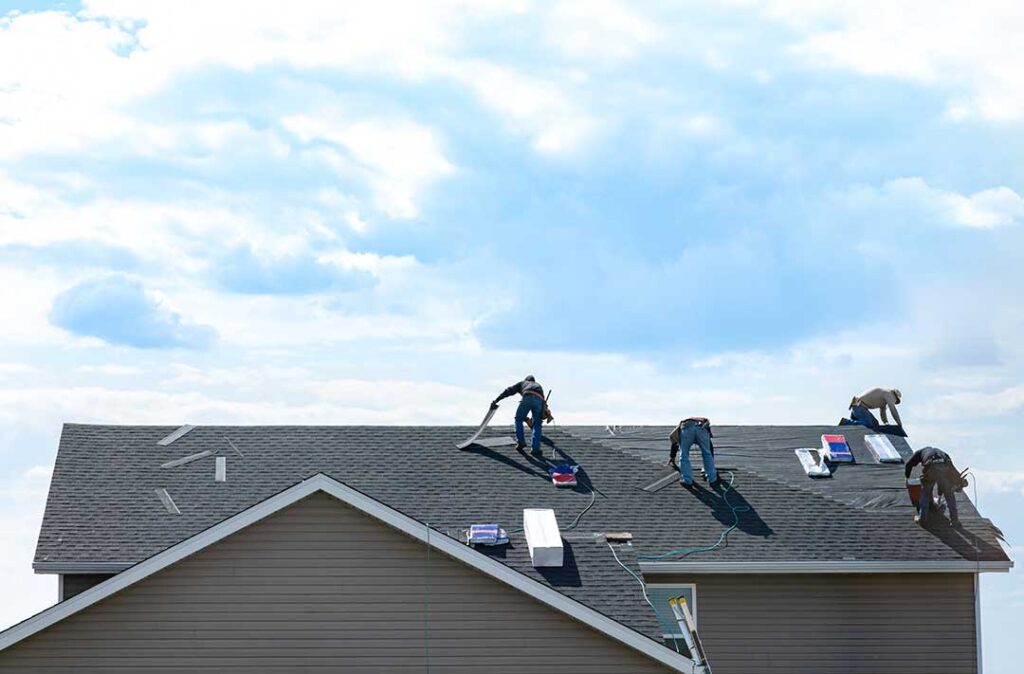
Moss and algae growth is common on roof surfaces that stay damp, shaded, or poorly ventilated. In Altamont, NY, seasonal moisture, snow, fallen leaves, and shaded roof sections can create conditions where green moss, dark algae streaks, and surface debris remain active for long periods.
The right response depends on what is growing, how extensive it is, and whether the roof covering has already been damaged. Gentle maintenance can often address early growth, but aggressive cleaning methods may shorten the life of roofing materials.
What is the difference between moss and algae?
Moss is a small plant that forms raised, soft-looking patches. Algae usually appears as flat green, gray, or black staining, streaking, or discoloration.
The two can occur together, but they affect roofing materials differently:
- Algae: Usually begins as surface staining. It may be unattractive but does not normally create the same immediate physical pressure as moss.
- Moss: Holds moisture against the roof and can lift or separate the edges of shingles as it expands.
- Lichen: A combination of fungus and algae that can attach firmly to roofing surfaces and may be more difficult to remove without causing damage.
Dark streaks are often mistaken for dirt. On many asphalt-shingle roofs, they are caused by algae colonies that spread through moisture and windborne particles.
Why does roof growth develop?
Persistent moisture is the main factor. Roof sections that receive limited sunlight dry more slowly after rain, dew, or melting snow. Overhanging branches can add shade while dropping leaves, needles, and organic material that retain water.
Other contributing conditions include:
- Clogged or poorly directed drainage
- Heavy leaf accumulation in roof valleys
- Low roof slopes that drain slowly
- Dense tree cover near the building
- Limited attic ventilation
- Shingles that have become rough or weathered
- Debris trapped behind roof penetrations or along wall intersections
Seasonal freeze-thaw cycles can make the problem more noticeable. Water absorbed by moss may freeze, expand, and loosen roofing granules or shingle edges. In winter, snow can also remain longer on shaded slopes, extending the damp period.
Does moss or algae mean the roof needs to be replaced?
No. Growth alone does not automatically mean a roof is failing. A roof with limited algae staining may still have many useful years remaining, while a roof with heavy moss may need closer inspection even if it looks intact from the ground.
Signs that deserve attention include:
- Shingles that are lifted, curled, cracked, or missing
- Granules collecting in gutters or at downspout outlets
- Soft or springy areas beneath the roof covering
- Water marks on ceilings, attic framing, or insulation
- Repeated dampness around skylights, chimneys, or roof valleys
- Moss growing beneath shingle edges rather than only on top
- Sagging roof decking or visible structural movement
Moss may conceal damage rather than cause all of it. Removing the growth can reveal worn shingles, exposed fasteners, deteriorated flashing, or areas where water has been entering.
How should early moss and algae be addressed?
Small areas should be handled gently. The goal is to remove organic growth without tearing, scraping, or stripping the protective surface from the roofing material.
A cautious approach generally includes:
1. Remove loose leaves and branches with a soft roof rake or from a safe ground position.
2. Keep gutters and downspouts clear so roof water can drain normally.
3. Avoid walking on wet or moss-covered shingles.
4. Use only a cleaning method approved for the specific roofing material.
5. Allow treatment to work gradually instead of trying to remove every stain immediately.
Moss should not be pulled forcefully from shingles. Its root-like structures can remain attached, and pulling may remove granules or loosen the shingle surface. Algae staining may also fade gradually after treatment rather than disappearing at once.
Which cleaning methods can damage a roof?
Pressure washing is one of the most common causes of avoidable roof damage. A concentrated spray can remove protective granules, force water beneath shingles, damage flashing, and shorten the service life of roofing materials.
Harsh scrubbing can create similar problems. Wire brushes, stiff brooms, and metal tools may scratch or strip the weather-resistant surface. Chlorine-based cleaners, strong solvents, and untested household chemicals can discolor roofing, damage nearby plants, corrode metal, or wash into soil and drainage systems.
Avoid:
- Pressure washing from close range
- Scraping with metal tools
- Walking repeatedly across fragile or wet shingles
- Applying cleaners during freezing weather
- Allowing runoff to collect on painted surfaces, masonry, or landscaping
- Mixing cleaning chemicals
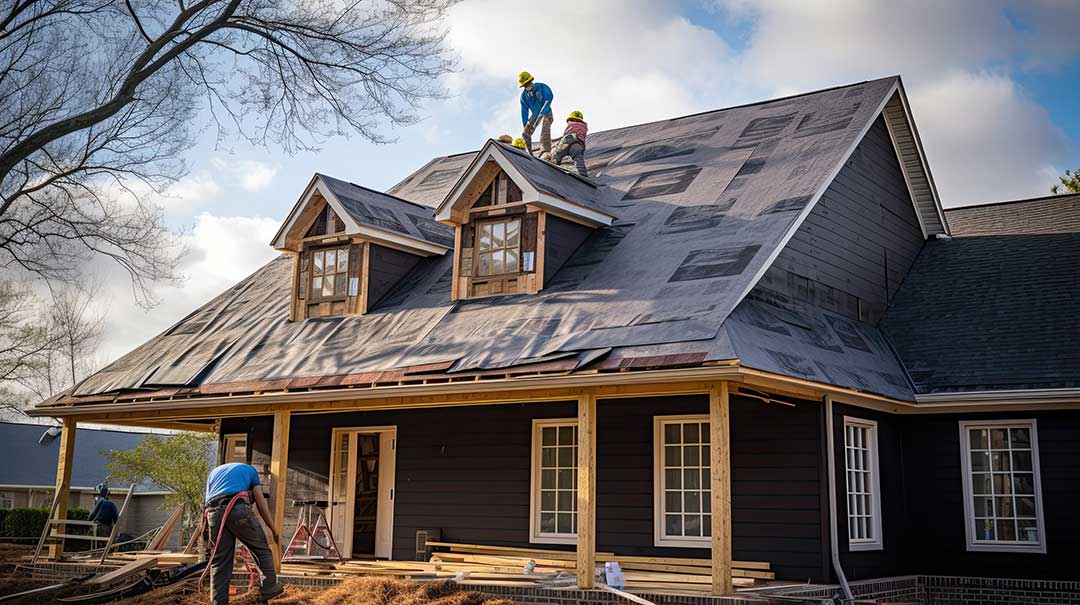
Because roof work involves fall hazards, steep slopes and elevated areas should not be treated as routine walking surfaces. Safety becomes especially important when moss has made the roof slippery.
Can moss and algae be prevented?
Prevention focuses on reducing shade, moisture, and debris. It cannot eliminate growth entirely, particularly on roof sections surrounded by mature trees, but it can slow the process.
Useful measures include:
- Trim branches that rest against or heavily shade the roof, while avoiding unnecessary tree removal.
- Clear leaves and needles before they remain wet for extended periods.
- Keep gutters and downspouts flowing freely.
- Check that downspout discharge does not saturate soil near the foundation or splash back onto exterior walls.
- Monitor roof valleys and shaded slopes after autumn leaf fall.
- Inspect attic ventilation if the roof remains damp long after nearby surfaces have dried.
- Replace damaged or missing shingles before moisture can reach the underlayment.
Some roofs use metal strips near the ridge to release small amounts of protective material during rainfall. These systems may limit new growth on areas below them, but they are not a complete solution for heavy existing moss. Installation must also be compatible with the roof design and other metals.
What should residents check after winter?
A spring inspection can reveal problems that were hidden by snow or seasonal debris. Look for moss that has expanded, dark streaks that have spread, displaced shingles, and piles of organic material in valleys or behind roof features.
From the ground, binoculars can help identify:
- Uneven shingle lines
- Exposed underlayment
- Missing flashing
- Heavy buildup on shaded slopes
- Sagging gutters or roof edges
- Debris that remains trapped after rainfall
Inside the attic, damp insulation, musty odors, stained wood, or daylight visible through the roof may indicate a separate moisture problem. Moss and algae may be symptoms of excess moisture rather than the only cause of concern.
When is outside help justified?
Professional evaluation is appropriate when the roof is steep, high, fragile, visibly damaged, or difficult to access safely. It is also sensible when growth is extensive, when the source of moisture is unclear, or when cleaning could affect nearby landscaping and drainage.
The purpose of an evaluation should be to determine whether the issue is limited to surface growth or includes shingle deterioration, blocked drainage, ventilation problems, or water intrusion. A careful assessment can prevent a minor maintenance issue from being worsened by unsafe access or overly aggressive cleaning.
For most homes, the practical goal is not to make every roof surface look new. It is to control moisture, protect the roofing material, maintain safe drainage, and identify damage before it reaches the roof deck or interior of the house.
