
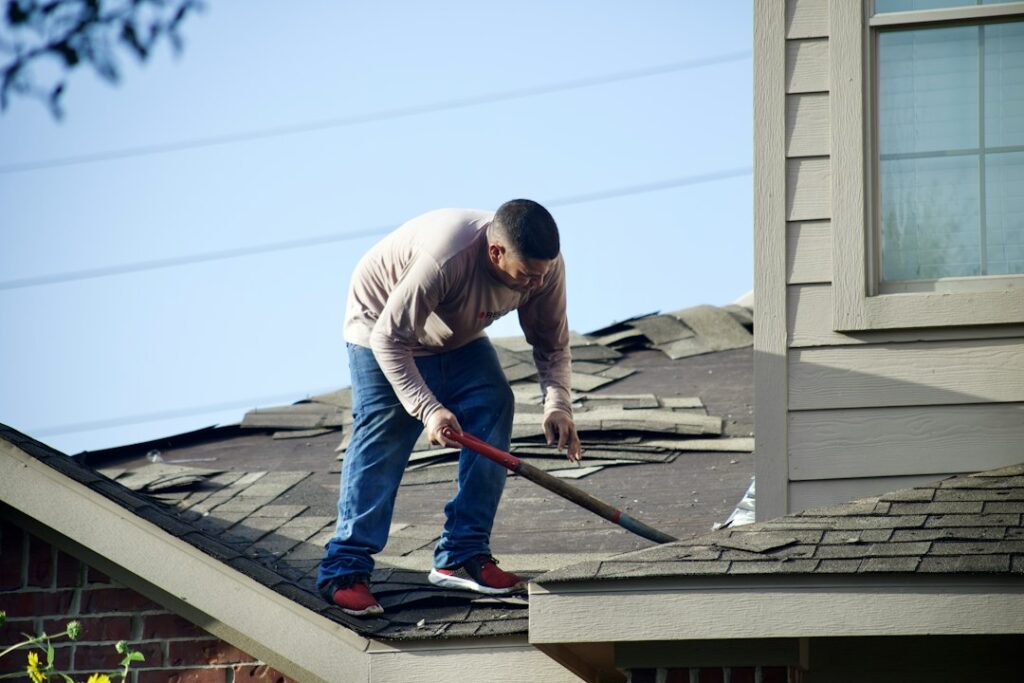
Roof inspections are most useful when they are timed around weather, roof age, and visible changes—not only when a leak appears. For households in Altamont, NY, a practical routine is to inspect the roof in late spring or early summer, then check it again after major storms or unusual winter conditions.
Why is late spring a good time for a roof inspection?
Late spring is often the most useful season for a routine inspection because the roof has already experienced winter cold, snow, ice, wind, and repeated freeze-thaw cycles. These conditions can loosen shingles, expose flashing problems, clog drainage paths, and damage areas around chimneys, vents, skylights, and roof edges.
A spring inspection can identify problems before summer rainstorms arrive. It also provides a clearer view of damage that may have been hidden beneath snow or ice during the colder months.
Particular areas to examine include:
- Missing, cracked, curled, or lifted shingles
- Exposed roofing underlayment or roof decking
- Loose metal flashing around penetrations
- Damaged chimney or vent flashing
- Sagging gutters or separated downspouts
- Granules collecting heavily in gutters
- Soft, stained, or deteriorated areas along the eaves
- Moss or organic growth holding moisture against the roof surface
A roof does not need to look dramatically damaged to have a developing problem. Small openings around flashing or fasteners may allow water into the attic before a ceiling stain becomes visible.
Should a roof be inspected before winter?
Yes. An early fall inspection gives homeowners time to address drainage, flashing, and surface problems before snow and ice make access more difficult. The exact timing depends on weather, but the inspection is most useful before sustained freezing conditions begin.
Before winter, check whether:
- Gutters and downspouts are clear
- Water can drain away from the foundation
- Shingles are firmly attached
- Flashing is intact and lying flat
- Roof valleys are free of debris
- Tree limbs are not rubbing against or hanging over the roof
- Attic insulation and ventilation appear dry and functional
Fall is also a useful time to look inside the attic. Dark stains, damp insulation, rusty nails, musty odors, or moisture on the underside of the roof deck can indicate a ventilation or water-intrusion problem.
Proper attic airflow matters in a cold climate. Warm, moist air from bathrooms, kitchens, and living spaces can enter the attic through gaps around light fixtures, ductwork, plumbing, and the attic hatch. If that moisture condenses on cold roof surfaces, it can contribute to mold, wood deterioration, and insulation problems.
When is an inspection needed after a storm?
A roof should be checked after any storm that includes strong wind, hail, heavy wet snow, freezing rain, or fallen branches. The inspection may be needed even if there is no visible leak inside the home.
Storm-related damage is not always obvious from the ground. Wind may lift shingle edges without removing the shingles entirely. Hail can bruise roofing materials, while heavy branches can damage decking or create small punctures. Ice and wet snow can stress gutters, roof edges, and lower roof sections.
After a storm, look from the ground for:
- Shingles on the lawn or in the driveway
- Uneven or raised shingle lines
- New dents on metal flashing, vents, or gutters
- Broken branches resting on the roof
- Gutter sections that have pulled away from the fascia
- Water stains on ceilings or upper walls
- Daylight visible through the attic roof deck
Avoid climbing onto a wet, icy, steep, or visibly damaged roof. Ground-level observations and an attic check are safer first steps. If there is active leaking, exposed electrical wiring, structural sagging, or storm debris that cannot be safely removed, a qualified roofing or building professional may be necessary.
How often should an older roof be inspected?
A roof that is more than about 15 years old generally deserves closer and more frequent attention than a newer roof. Age alone does not determine remaining service life, because installation quality, ventilation, roof slope, material type, tree cover, and weather exposure all affect performance.
For an older roof, a reasonable approach is:
- Inspect it at least once each year
- Check it after significant storms
- Monitor attic conditions during winter and spring
- Pay attention to recurring repairs or repeated leaks
- Keep records of visible changes and maintenance

A roof nearing the later part of its expected service life may not fail suddenly. Instead, small warning signs can appear over several seasons: increasing granule loss, widespread curling, brittle shingles, recurring flashing leaks, or areas that look noticeably different from the rest of the roof.
Do homes with no visible leaks still need inspection?
Yes. A roof inspection is not only a leak check. Water can travel along rafters, roof decking, insulation, and wall framing before appearing inside a room. By the time a ceiling stain is visible, the original entry point may be several feet away.
Some early warning signs are subtle:
- Peeling paint near the ceiling
- Discolored attic wood
- Damp insulation
- Rust around roofing nails
- Musty attic odors
- Dripping or staining near roof penetrations
- Unexplained increases in attic humidity
- Ice buildup that returns in the same roof area
A roof can also have problems that do not immediately allow water inside. Poor ventilation, damaged flashing, blocked drainage, and deteriorating shingles may reduce the roof’s ability to handle the next season of severe weather.
What should homeowners check between inspections?
Routine observation helps identify changes early. From the ground, use binoculars if needed rather than walking on the roof. Look after heavy rain, strong wind, and periods of snow or ice melt.
Inside the home, occasionally inspect the attic if it can be accessed safely. Look for moisture, damaged wood, compressed insulation near the eaves, and signs that bathroom or kitchen exhaust is releasing humid air into the attic instead of outdoors.
Keep gutters clear of leaves and roof granules, but do not use gutter cleaning as a substitute for roof inspection. Drainage problems can worsen roof-edge deterioration, yet the underlying cause may involve flashing, slope, shingles, or fascia rather than the gutter itself.
What is the simplest inspection schedule?
For most households, the following schedule is practical:
- Late spring: Check for winter and freeze-thaw damage.
- Early fall: Confirm that the roof and drainage system are ready for winter.
- After major storms: Look for wind, hail, branch, snow, or ice damage.
- Any time symptoms appear: Investigate leaks, attic moisture, ceiling stains, or unusual roof changes promptly.
The best inspection schedule is one that considers both the calendar and the condition of the home. In a community exposed to cold winters, snow accumulation, freezing rain, and summer thunderstorms, waiting for a visible interior leak can allow a small roofing issue to become a larger structural or moisture problem.
