

How Do Asphalt Shingles and Metal Roofs Differ?
Asphalt shingles and metal roofing are the two most common roofing materials chosen by households in Altamont, NY. While both options protect against rain, snow, and wind, their composition, look, and weather performance set them apart.
Asphalt shingles are made of a fiberglass base topped with asphalt and mineral granules. They come in strips or individual shingles applied in overlapping rows. Metal roofing, by contrast, uses large panels or smaller tiles of steel, aluminum, or copper. Each has distinct appearances and installation methods.
Which Roofing Type Handles Altamont’s Climate Best?
Both roofing types are suitable for the local four-season climate, but they respond differently to severe weather.
- Asphalt shingles do well with moderate snow loads and resist wind if installed correctly. However, temperature swings and occasional ice dams can shorten their lifespan or cause granule loss.
- Metal roofing stands out for its ability to shed heavy snow and ice, limiting ice dam risk. Metal also resists wind uplift better and won’t absorb water, which is helpful after the freeze-thaw cycles the area experiences.
For homes under tree cover, asphalt shingles can trap moisture and grow moss more readily than the smooth surface of metal.
How Long Do These Materials Last?
Metal roofing generally lasts much longer than asphalt. Asphalt shingles often serve households for 15-25 years before needing replacement. Metal roofing, however, may last 40-70 years or more if properly maintained.
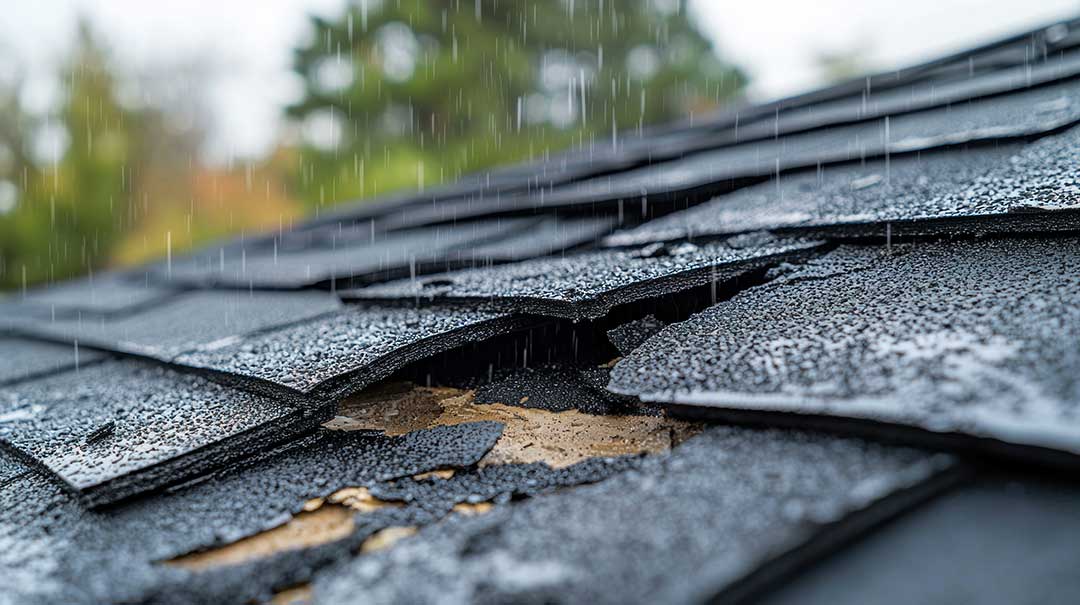
Frequent hail or fallen branches can occasionally dent metal panels, but repairs are not needed as often. Asphalt shingles are prone to cracking and losing their protective granules as they age, especially when subjected to wet autumns and frigid winters.
What About Cost Differences Upfront and Over Time?
Many Altamont residents are drawn to asphalt shingles because they offer a lower upfront cost per square foot. Installation is simpler, which can reduce labor expenses. This makes them a budget-friendly choice for both new homes and quick repairs.
Metal roofing is more expensive at first—sometimes double or more the initial cost. However, it typically requires less frequent replacement and minimal maintenance, so its lifetime price can end up closer to that of asphalt over decades.
Homeowners who plan to stay in the same house long-term may find metal roofs economical due to their durability and energy efficiency.
Are There Differences in Energy Efficiency?
Metal roofing reflects much of the sun’s heat, keeping homes cooler in summer. Special coatings can increase this effect, reducing cooling needs on hot days. Asphalt shingles absorb and retain more heat, which may raise attic temperatures during warm spells.
In winter, both types offer protection; however, insulation and proper attic ventilation play a bigger role in energy savings than roofing material alone. Still, metal’s reflective properties provide an edge during the year’s hottest stretches.
How Do Both Materials Affect Curb Appeal?
Asphalt shingles come in a wide range of colors and shapes, complementing most architectural styles in the community, from classic colonials to ranch homes. Their traditional look blends in well with neighboring houses.
Metal roofing has evolved, too. Sleek modern panels, textured finishes, and styles that mimic traditional shingles or slate are now available. Some homeowners appreciate the distinctive appearance and contemporary lines metal can add to a home, while others prefer the familiar look of asphalt.
What Are Common Myths or Misunderstandings?
- Noise: A metal roof is not noisy in rain or hail when installed over modern underlayment and attic insulation. Finished attics or properly ventilated spaces beneath the roof dampen exterior sounds well.
- Rust: Today’s metal roofing is designed to resist rust, using special coatings or alloys. Local humidity rarely poses a problem if materials are made and installed to local code.
- Lightning: Metal does not attract lightning more than other materials. If struck, it safely disperses the charge.
Maintenance Considerations for Local Households
Routine maintenance helps any roof last longer. For Altamont homeowners:
- Inspect for missing or damaged shingles after storms, especially asphalt types
- Remove debris and leaves to prevent moss and trapped moisture (important for shingle roofs under maple or pine trees)
- Check metal panels for loose fasteners and sealant wear every few years
- Clear out gutters to reduce ice dam risk, no matter the roofing type
Metal roofs generally shed debris and snow more easily, but annual inspection makes sense for both.
Which Roofing Option Fits Different Types of Altamont Homes?
Older homes with simple rooflines are often best matched to asphalt shingles, preserving their historic look. Steeper roofs, common in some neighborhood designs, favor metal panels for efficient snow-shedding.
For garages, barns, and secondary buildings, either material can work, though metal’s resilience to falling branches and extreme precipitation makes it a frequently chosen option in rural properties.
