

What Basic Parts Make Up a Roof?
A residential roof is a system of materials designed to keep a home dry, insulated, and protected all year. While every home in Altamont is unique, most roofs share key components. Understanding these terms helps residents talk knowledgeably with contractors and review inspection reports more confidently.
- Decking (or Sheathing): Flat boards (often plywood or oriented strand board) attached to the roof trusses. The decking is the base layer for shingles or other waterproof coverings.
- Underlayment: A protective sheet placed directly on top of the decking. It serves as a moisture barrier between the roof structure and the outer material, like asphalt shingles or metal panels.
- Shingles or Roofing Material: The outermost, weather-facing material — most commonly asphalt shingles in Altamont due to local climate demands, but sometimes metal, wood shakes, or slate.
- Flashing: Thin metal strips installed at vulnerable points (around chimneys, vent pipes, or where roofs meet walls). Flashing prevents water from sneaking into seams.
- Fascia and Soffit: The fascia is a vertical finishing board at the edge of the roof, while soffit is the underside of the roof overhang, sometimes vented for attic airflow.
- Eaves and Ridges: Eaves are the edges where the roof meets the exterior walls; ridges are the peaks where two roof slopes meet.
What Do Common Roofing Terms Actually Mean?
Local homeowners often encounter specific jargon during roof work. Here are explanations of frequently used terms:
- Valley: The trough-like angle where two sloping roof sections meet. Valleys can collect water and snow, making them potential leak zones if not properly constructed.
- Dormer: A structure that projects out from a roof slope and usually contains a window. Dormers add light and space but increase the number of seams where leaks may develop.
- Pitch or Slope: The steepness of the roof, usually given as a ratio (like 6:12), meaning the roof rises 6 inches for every 12 inches horizontally. Steeper pitches shed water and snow more effectively, a key consideration for homes facing heavy winter precipitation.
- Ice Dam: A ridge of ice that can form at the eaves when melting snow refreezes. Ice dams are common in Northeast winters and can cause leaks if water pools behind them.
- Drip Edge: A narrow metal strip along the edges that directs water away from the fascia and into the gutters.
Which Roofing Layers Provide Protection?
The layers beneath the visible roof surface contribute significantly to a home’s comfort and security, especially through wet or freezing Altamont seasons.
- Vapor Barrier: A membrane that controls moisture coming up from the attic, helping prevent condensation and rot in the roof structure.
- Attic Ventilation: Vents (sometimes found in soffits, ridges, or gables) allow air circulation under the roof, reducing heat buildup in summer and moisture in winter.
- Insulation: Installed on the attic floor rather than the roof deck, insulation helps maintain indoor temperature and reduces ice dam formation.
A common misconception is that shingles alone stop leaks. In reality, the entire roofing system — from decking up through flashing — provides protection. Missing or poorly installed underlayment or flashing can cause problems even if the outer shingles appear undamaged.
How Do Local Climate and Weather Affect Roofing Choices?
Residents of Altamont experience four distinct seasons, with hot summers, snowy winters, and plenty of spring and fall rain. Area roofs face freeze-thaw cycles, wind-driven moisture, and heavy snowfall accumulation.
- Asphalt Shingles: Most common for local homes, offering good durability against snow and ice at a reasonable cost. Modern shingles are engineered to resist wind and help shed rain.
- Metal Roofing: Less common on historic local homes, but gaining popularity for steep pitches or outbuildings due to metal’s ability to shed snow loads.
- Ice & Water Shield: A peel-and-stick membrane often installed along eaves and valleys, especially in snow-prone areas, to protect against leaks from ice dams or wind-driven rain.
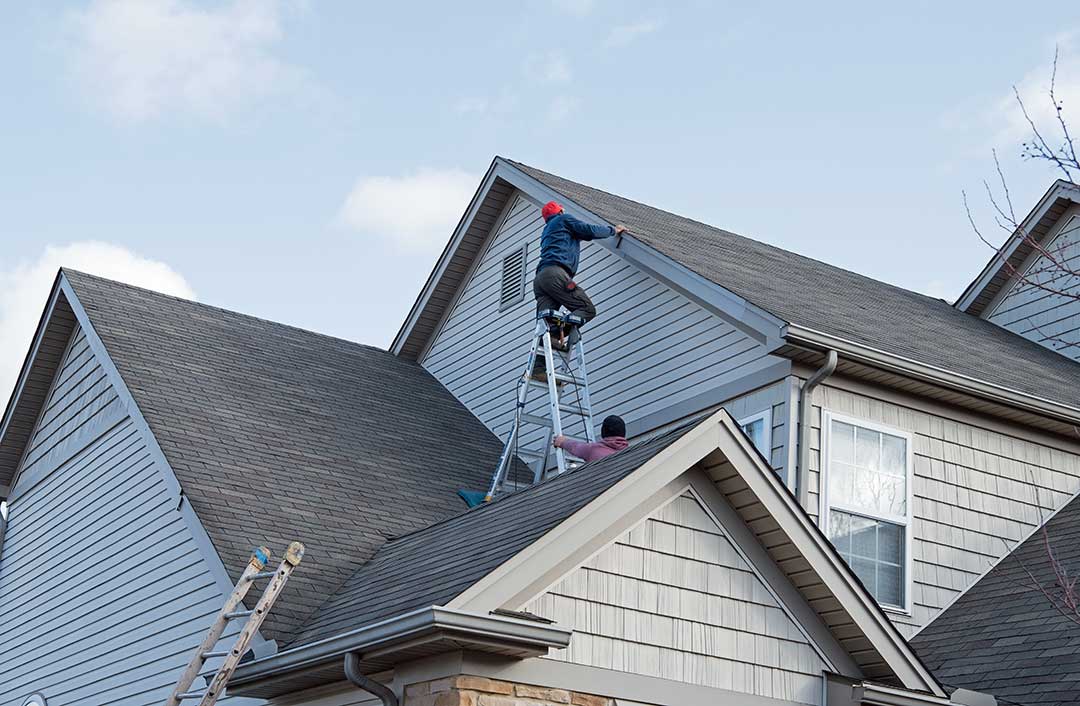
Understanding the function and relevance of these materials helps area households select repairs or new roofs fit for local needs.
What Are Signs of Roofing Trouble?
A sound understanding of basic roofing vocabulary makes spotting potential issues easier:
- Blistering: Bubbles or raised areas in shingles, often caused by trapped moisture.
- Granule Loss: Accumulation of shingle grit in gutters, which can expose lower layers to weather damage.
- Curling: Shingle edges turning upward, a symptom of aging or poor ventilation.
- Exposed Nails (Nail Pops): Raised nail heads can allow water entry.
- Moss and Lichen: Growth, especially on shaded areas, can indicate trapped moisture and may contribute to long-term roof decay.
If these problems are noticed, addressing them promptly can help avoid bigger concerns.
What Misunderstandings Are Common with Roofing Terms?
Residents sometimes confuse similar-sounding terms or underestimate their roles. For instance, the difference between underlayment and vapor barrier is often unclear—one goes on the roof deck, the other prevents attic humidity from reaching the wood. Another misconception is thinking fascia and soffit only have an aesthetic function, when in fact, they also help keep out pests and promote roof ventilation.
In older Altamont properties, historical roof elements like dormers and steep pitches are common, and these features require special attention to flashing, valleys, and ventilation to maintain their function while preserving architectural style.
Where Can Local Homeowners Learn More?
Questions about roofing systems or unfamiliar terminology can often be answered through independent resources from municipal housing agencies, building code offices, or home inspection reports. Local libraries and community events sometimes offer workshops on home maintenance, which can further clarify these concepts in a hands-on, approachable way.
